Understanding Tinnitus: Causes, Types, and Why It Happens
What is Tinnitus?
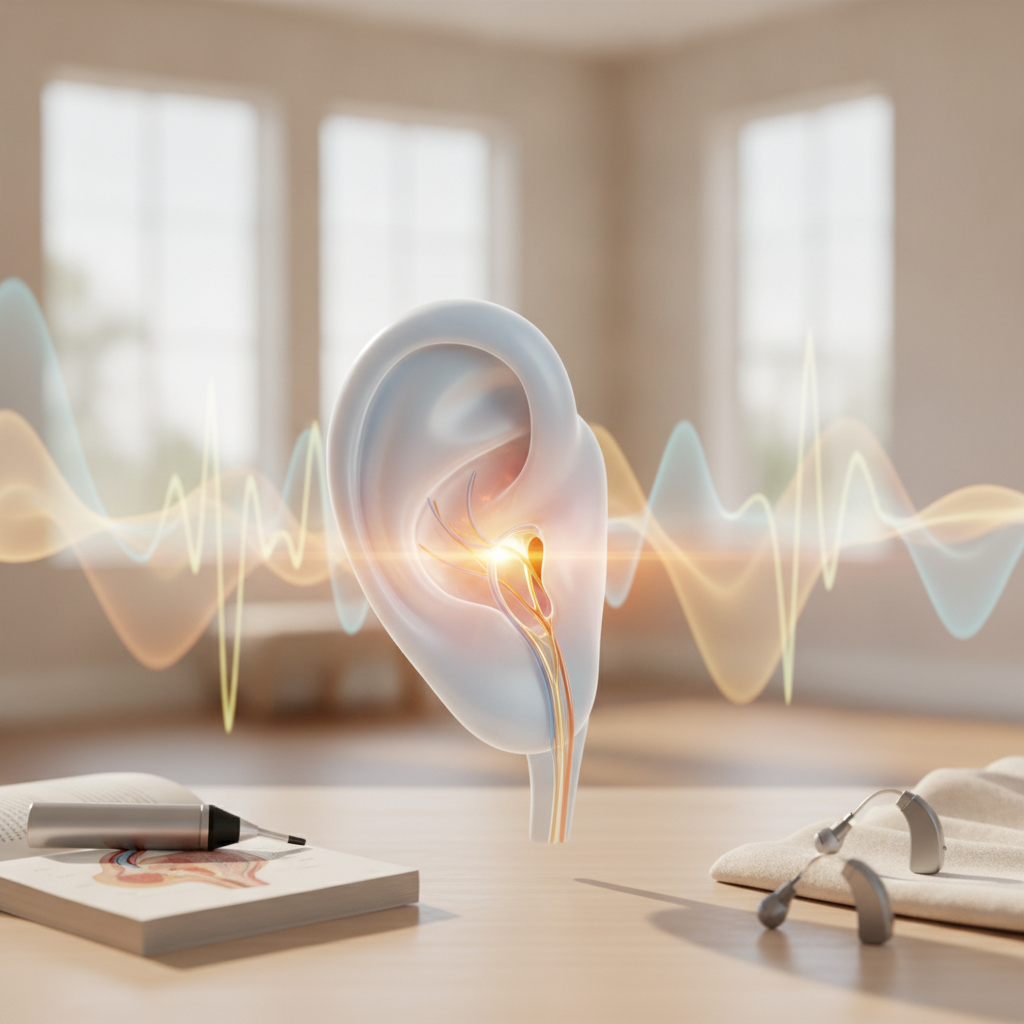
Tinnitus is the perception of sound in the absence of external stimuli. This phantom sound—ranging from ringing to buzzing, hissing, or roaring—occurs when the auditory system sends confused signals to the brain.
Peripheral vs. Central Causes
Peripheral tinnitus originates in the inner ear or cochlea, while central tinnitus results from neurological processing issues. Most cases are peripheral, involving cochlear damage or dysfunction.
Hearing Loss Connection
Hearing loss is the most common tinnitus cause. Damaged cochlear hair cells send constant noise signals to compensate for lost sound input. Protecting hearing health prevents tinnitus in many cases.
Acoustic Trauma
Exposure to loud noise damages cochlear structures, immediately or gradually causing tinnitus. Concerts, loud machinery, firearms, and recreational shooting are significant acoustic trauma sources.
Age-Related Changes
Presbycusis, age-related hearing loss, develops as cochlear hair cells naturally deteriorate. This hearing decline frequently accompanies tinnitus in older adults.
Medical Condition Associations
Otosclerosis, Meniere's disease, ear infections, and traumatic brain injury all cause tinnitus. Identifying underlying medical conditions enables appropriate treatment.
Medication Side Effects
Some medications, particularly certain antibiotics, aspirin at high doses, and diuretics, cause tinnitus as a side effect. Discussing medication concerns with healthcare providers may reveal alternatives.
Stress and Fatigue
While not directly causing tinnitus, stress and fatigue intensify perception and exacerbate symptoms. Managing stress and maintaining good sleep improve tinnitus tolerance.