Ringworm: Understanding the Fungal Contagion and Treatment Strategy
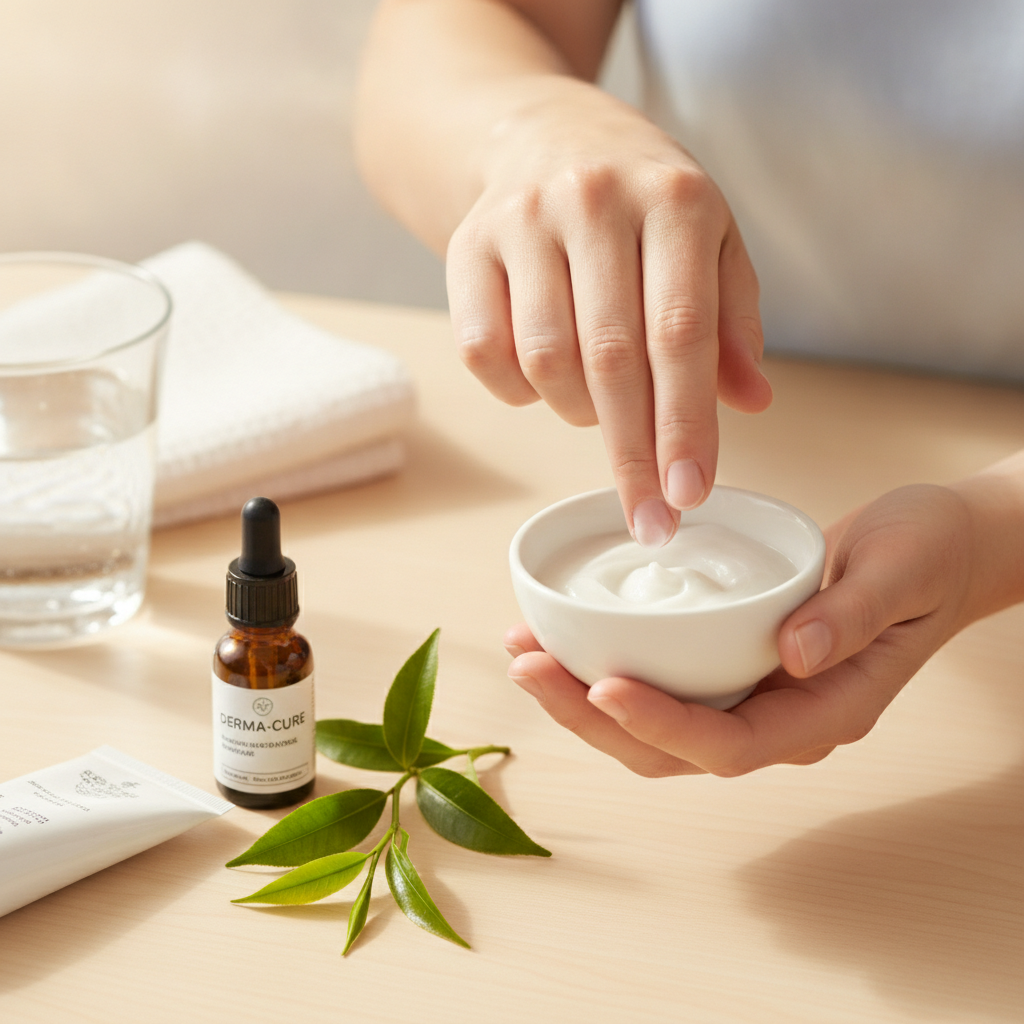
Ringworm (tinea corporis) is a contagious fungal infection appearing as a red, circular rash with a clear center. The name comes from its ring-like appearance, though the center isn't actually clear—the scaling pattern creates this impression.
Transmission Routes
Direct contact with infected skin is the primary transmission route. The fungus survives on moist skin and can persist on towels, gym equipment, and bedding. Sharing personal items—especially towels and clothing—spreads infection.
Animals, particularly cats and dogs, can carry and transmit ringworm. If family pets are infected, they should be treated by a veterinarian while humans are treated concurrently.
Appearance Variations
Classic ringworm presents as a red, circular patch with scale. However, appearance varies by location and individual skin type. On moist areas, inflammation is pronounced. On dry areas, scaling dominates.
Multiple lesions often develop—some from repeated contact with the original lesion, others from separate exposures. Lesions can coalesce into larger plaques.
Treatment Approach
Topical antifungal creams (terbinafine, tolnaftate) applied twice daily for 2-4 weeks typically cure ringworm. Continue treatment for 7-10 days after visible clearing to prevent recurrence.
For extensive or resistant infections, oral antifungal medications are necessary. Terbinafine or griseofulvin are used, with treatment duration depending on infection extent.
Contagion Period
With appropriate antifungal treatment, contagion decreases rapidly. Most sources recommend isolation until 48 hours of effective treatment have occurred. In school or athletic settings, clearance from a healthcare provider is standard before full participation.
Prevention During Treatment
Keep infected areas clean and dry. Avoid sharing personal items. Wash towels and clothing in hot water. Cover affected areas with breathable clothing to prevent contact with others.
Environmental Management
Cleaning surfaces with antifungal solutions reduces reinfection risk. Disinfect gym equipment, yoga mats, and other items that contacted the infection. Regular laundering of bedding and clothing at hot temperatures kills fungal spores.
When Fungal Infection Persists
If ringworm doesn't improve after 4 weeks of appropriate treatment, consider whether the diagnosis is correct. Some conditions mimic ringworm. Additionally, if reinfection repeatedly occurs, identify and treat the source.